-
-
Park Avenue Building - 2nd & 3rd Floor , Putalisadak , Kathmandu
-
-

Park Avenue Building - 2nd & 3rd Floor , Putalisadak , Kathmandu
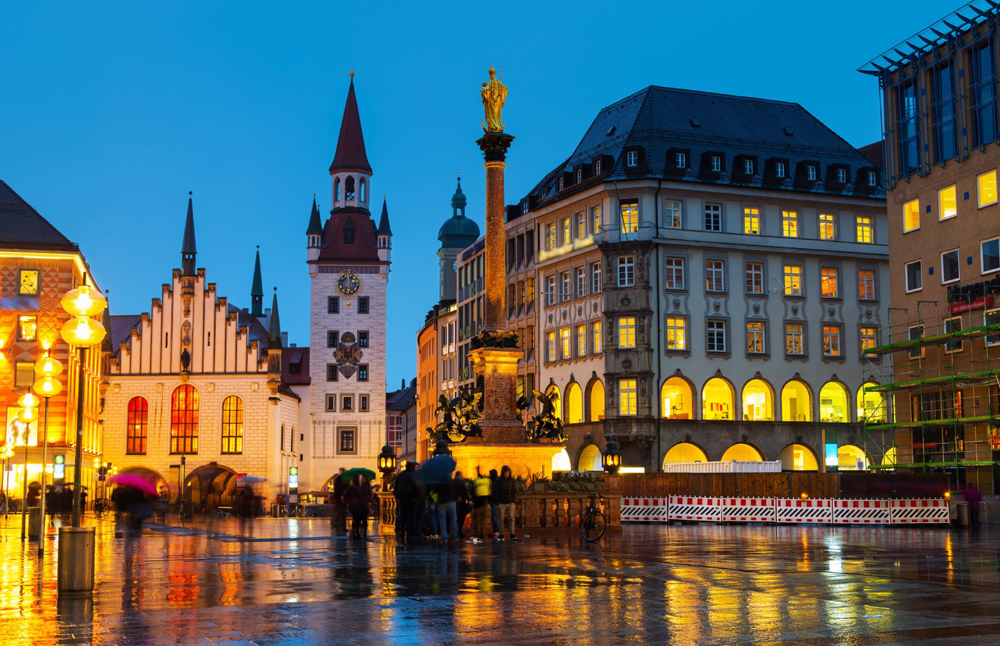
Germany has become one of the most preferred study destinations for international students due to its high-quality education system, strong economy, and affordable cost of study. For Nepali students, Germany offers a unique opportunity to pursue globally recognized degrees with little to no tuition fees at public universities.
Germany is known for its strong academic infrastructure and industry-focused education. Universities maintain close connections with global industries, allowing students to gain practical knowledge alongside theoretical learning.
One of the biggest advantages is the availability of tuition-free education at public universities. This significantly reduces the financial burden compared to other countries such as the USA, UK, or Australia. In addition, Germany provides excellent career opportunities after graduation, especially in fields like engineering, IT, and business.
Students also benefit from a safe environment, modern infrastructure, and exposure to diverse cultures.
Students can choose from a wide range of academic programs, including:
Bachelor’s Degree
Graduate Diploma
Master’s Degree
Doctorate (PhD)
Germany offers a wide variety of programs aligned with global industry demand. Popular fields include engineering, information technology, business administration, data science, and applied sciences.
Public universities in Germany do not charge tuition fees for most programs. Students are only required to pay a semester contribution fee, which usually ranges between €150 and €350.
Private universities charge tuition fees that typically range from €10,000 to €25,000 or more per year depending on the program and institution.
Germany has two main intakes for international students.
September to October intake is the major intake and offers the widest range of programs.
March to April intake is the minor intake with limited course availability.
To study in Germany, students must meet the following requirements:
Academic Requirements
Minimum GPA of 2.5 or above in previous qualifications
English Language Requirements
IELTS overall score of 6.5 with no band less than 5.5
PTE score of 65 overall with minimum 55 in each section
Additional requirements may include a statement of purpose, letters of recommendation, and relevant academic documents depending on the program.
The average cost of living in Germany ranges from €850 to €1,200 per month. This includes accommodation, food, transportation, and personal expenses.
International students are allowed to work part-time for up to 120 full days or 240 half days per year. This helps students manage their living expenses while gaining valuable work experience.
Germany offers strong post-study work opportunities. Graduates can apply for an 18-month post-study work visa to find employment related to their field of study. With relevant work experience, students can later apply for long-term residency.